The Phrase That Changes at the Last Note
Track a phrase ending in a familiar piece to hear how release and pause can turn the same last note into arrival, suspension, or a fresh beginning.
The most common mistake when listening for a phrase ending is to treat the last note as a full stop; that can make a deliberate pause or lingering release sound like mere silence. In a familiar piece, follow what the performer does as the sound ends, and you may hear the music arrive, hesitate, or keep moving after the note itself is gone.
Choose one phrase you already know: the opening melody of a song, a short theme in a piano piece, or a line you can hum without checking a recording. Keep the listening task small. You are not trying to judge whether the performance is right; you are noticing how timing and tone shape the phrase’s final moment.
Choose a familiar phrase
Pick a passage with a clear melodic line and a pause, breath, or new idea after it. A recording is useful because you can replay the same moment, but a live performance lets you see a player’s breath, bow, or hands. Either way, stay with one phrase rather than comparing whole interpretations.
For a concrete option, use the first sung line of a familiar song. If you prefer instrumental music, choose a short melody whose ending you can locate by humming. Avoid a passage that is so busy you cannot tell which note belongs to the phrase’s close.
Write down the phrase’s final note in plain language, such as “the note before the singer breathes” or “the piano tone just before the next idea.” This is only a listening marker, not a claim about the formal structure. If the phrase does not seem to end where you first expect, follow the musical line and adjust your marker.
Listen across the ending
Start with one uninterrupted listen. Notice the final note, but also listen beyond it: Does the sound stop cleanly? Does it fade? Does the next phrase begin at once, or does a pause make the end feel settled? The space after the note is part of the experience, even when it contains no sound.
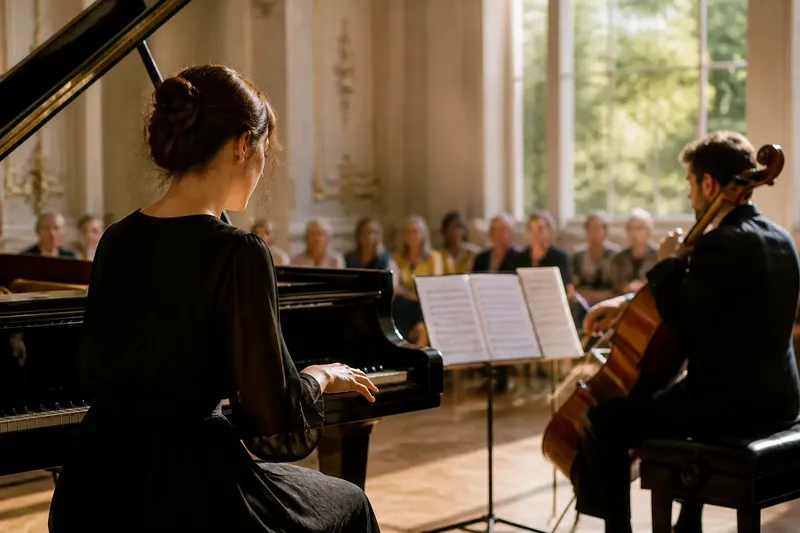
On the next listen, focus on the release. A singer may let a vowel taper, a violinist may lift the bow, and a pianist may allow a tone to ring before releasing the keys. These actions produce different impressions. A crisp cutoff can make an ending feel firm; a gradual fade can leave it more open. Neither choice has a fixed meaning on its own.
Listen once more for the pause. A short gap may connect two phrases closely, while a more noticeable silence can give the first one room to settle. The pause also depends on what follows: a new melody may feel like an answer, while a return to the same material can make the break seem reflective.
Keep a simple week
Spread the listening across ordinary moments rather than turning it into homework. The routine below gives you room to notice separate details before making a judgment about the whole ending.
- First listen: Hear the whole piece or song without stopping. Mark the phrase you chose, but do not decide what its ending means yet.
- Second listen: Replay the passage and attend to the last note’s shape. Note whether it fades, cuts off, or rings on.
- Third listen: Include the pause after the note. Notice whether the next sound follows closely or arrives after a distinct gap.
- Fourth listen: If available, choose a different performance of the same passage. Compare only the release and pause, not the performers’ overall quality.
- Fifth listen: Return to your first recording. Decide whether the ending now feels more settled, suspended, or connected to what comes next, and name the audible detail behind that impression.
If your week is crowded, combine the listens on one day. The useful part is separating what you hear—the fading tone, the silence, the next entrance—from what you infer about its effect. A note in your phone such as “soft release, short pause, next line feels continuous” is enough.
What does the ending suggest?
What is a musical release?
A release is the way a performer lets a sound end, whether by cutting it off or allowing it to taper or resonate. It is distinct from the note’s pitch and length, though all three can affect how the phrase feels.
Does a longer pause always mean arrival?
No. A pause can make an ending feel settled, but it can also create suspense or mark a transition. Listen to the phrase that follows before deciding what the silence does.
Should I follow the score?
You can, if you already have the score and know how to read it, but you do not need one for this exercise. Listening for the sound’s release and the gap afterward keeps attention on what reaches the audience.
What if I hear the phrase ending differently?
That is a useful reason to listen again, not a problem to solve by force. Follow the melodic line and choose the point where its energy seems to turn or pause.
Compare without scoring
Imagine you listen to two recordings of the same song, each ending a line before the next verse. In the first, the singer lets the final vowel soften and waits briefly before continuing; in the second, the vowel ends cleanly and the next line follows soon after. You might hear the first as more reflective and the second as more conversational, while still recognizing that the words and melody are unchanged.
That comparison is most useful when you keep the language provisional. Say “this pause makes the line feel more complete to me” rather than “this is the correct ending.” A performer may be responding to the piece’s style, the room, or the larger shape of the music. Your task is to describe the audible choice, not to guess at an unseen intention.
It is not worth replaying a single note until every tiny difference becomes a verdict. One careful comparison is usually more illuminating than a long search for a supposedly perfect release. If the sound is hard to isolate, choose another familiar phrase with a clearer boundary.
Carry the detail forward
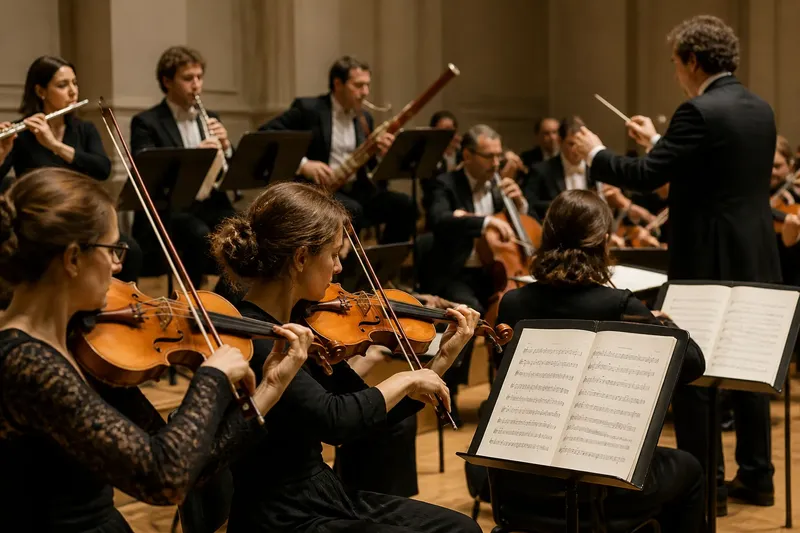
At a concert, you may not be able to replay a moment, so choose one phrase before the performance or identify one as you listen. Watch for a breath, a bow lift, or the instant a sound gives way to silence. Then notice whether the next entrance seems to continue the thought or begin a new one.
The next time you search for how a phrase ending changes its meaning, follow one familiar line from its last note through the pause and into what comes next. That small span can reveal a performer’s interpretation more clearly than a broad impression of the entire piece, and it gives you a precise detail to carry into your next concert review.